Shandong Rubber Roller Co., Ltd
Specializing in the production of various types of rubber rollers。
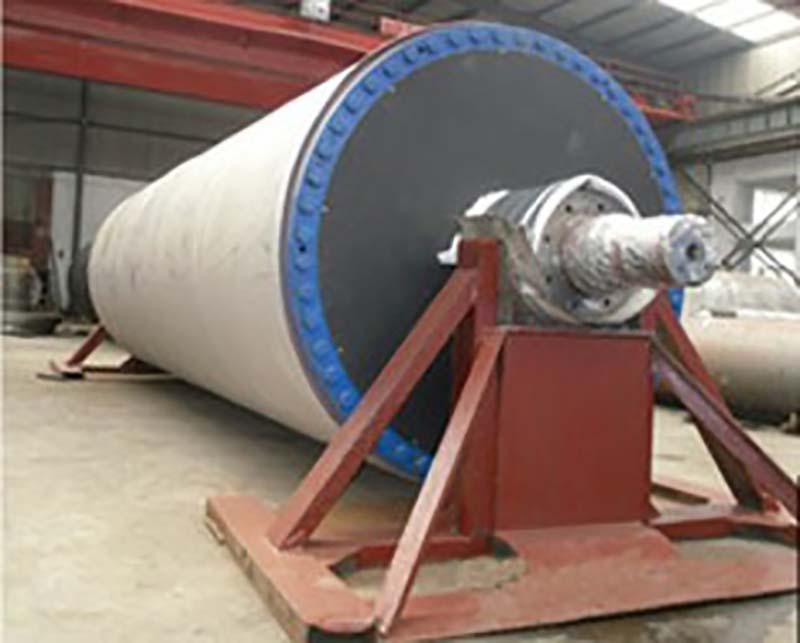


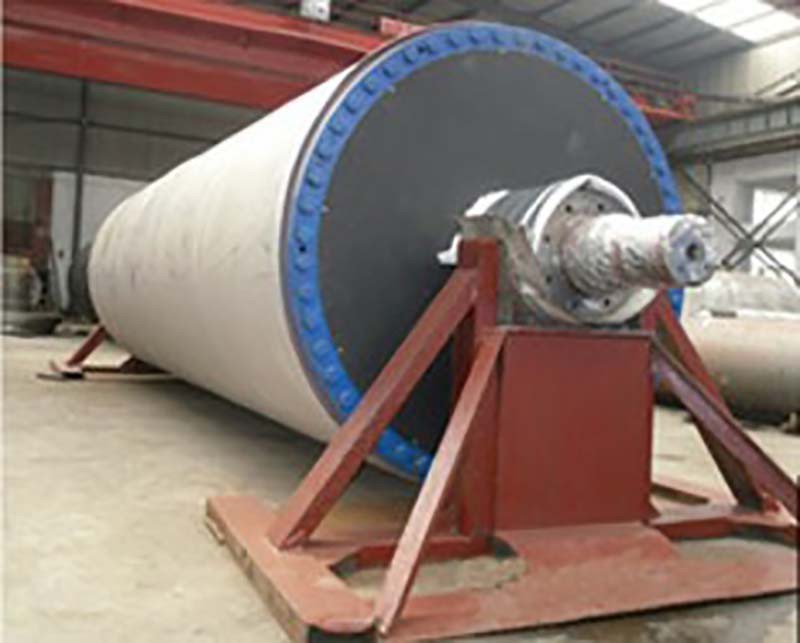
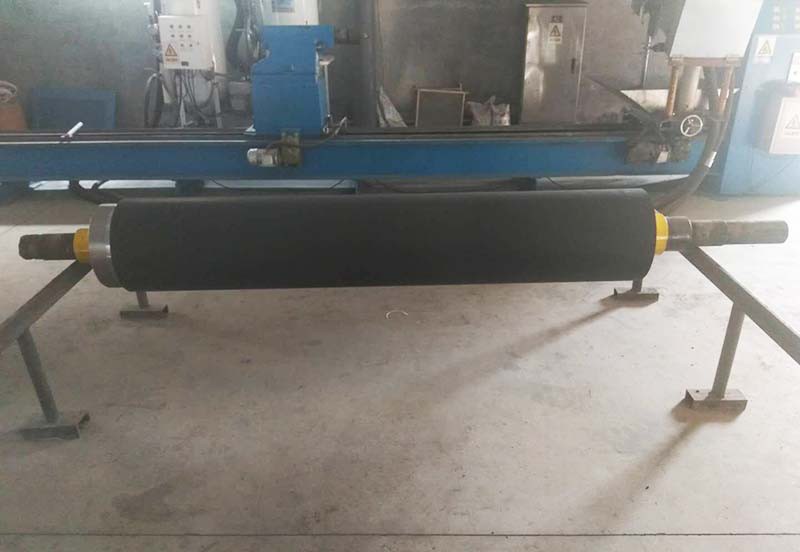
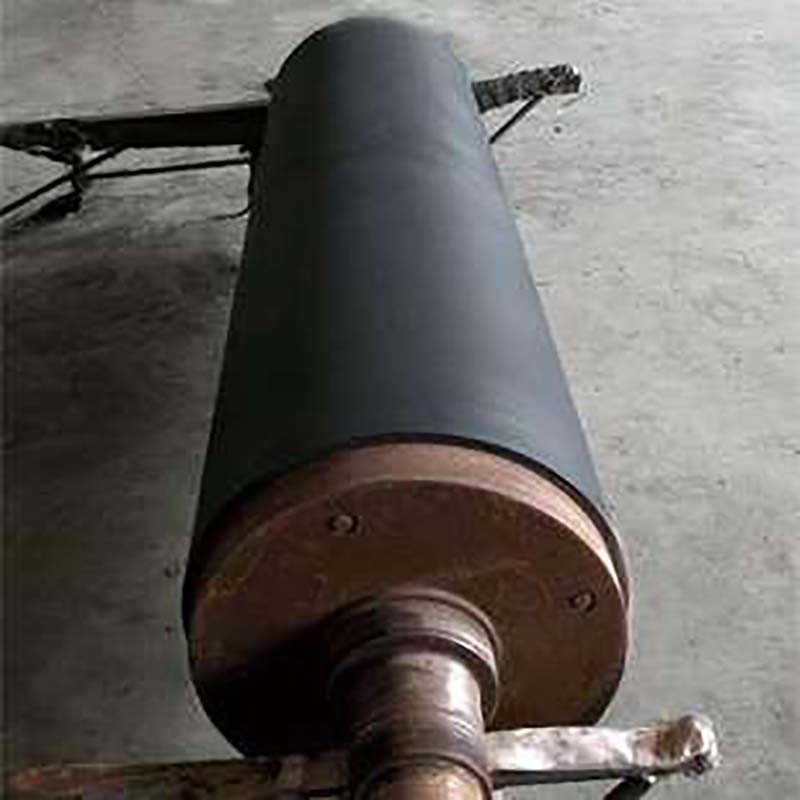
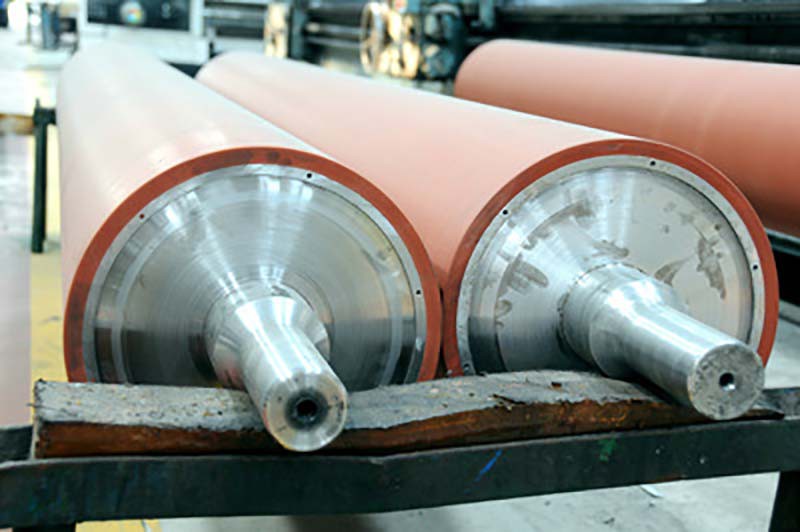
Paper making rubber rollers are used for papermaking, which can be divided into smooth rollers (flat rollers with no patterns on the surface), grooved rollers, threaded rollers, vacuum rollers, movable curved rollers (hollow bending rollers), and medium high rollers according to their structure. Used for squeezing, pressing, calendering and other functions in different parts of the paper machine.
A rubber roller used for papermaking. A long web paper machine usually has 70-80 rubber rollers of different sizes. According to the structure, it can be divided into smooth rollers (flat rollers with no patterns on the surface), grooved rollers (with grooves on the surface of the coating layer), threaded rollers (with threaded grooves on the surface of the coating layer), vacuum rollers, movable arc-shaped rollers (hollow bending rollers), and medium high rollers. Used for squeezing, pressing, calendering and other functions in different parts of the paper machine. It is generally made with various SRs (such as PU, etc.).
A large thick walled rubber roller used in various parts of paper machines. According to different functions, it can be divided into press rollers and various auxiliary rollers driven by press rollers. The squeezing rubber roller should be able to withstand high pressure and play a role in transmitting other auxiliary rubber rollers. The hardness requirement is high, ranging from 85 ° to 95 ° on the Shore scale. When pulp is pressed by the upper and lower rollers, the pressure applied by the upper roller (cast iron core, wrapped in brass or hard rubber) is strong enough to squeeze out the water, while the lower roller (i.e. pressing rubber roller) plays a supporting role. Some auxiliary rubber rollers driven by squeezing rubber rollers include chest rollers (rollers on paper machines, supporting copper mesh), case rollers (also known as dewatering rollers, supporting copper mesh), scraper rollers, brush rollers, etc. The adhesive layer should have good elasticity, compression resistance, flexural flexibility, and thermal conductivity. The tolerance of hardness should be within the allowable range, otherwise it will cause uneven drying of pulp and affect the quality of paper. Generally, the Shore hardness ranges from 40 ° to 100 °, with an allowable tolerance of ± 2 ° to ± 4 °.