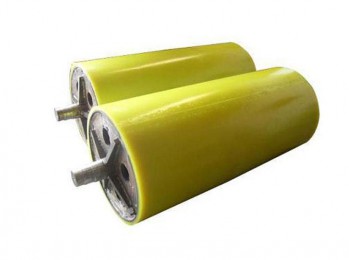
What factors should be noted when using printing rollers
Printing rollers have the characteristics of high temperature resistance, ozone resistance, chemical inertness, and non stick to plastics, so they are commonly used for processing hot adhesive products. Therefore, it is also known as high-temperature resistant heat transfer roller. It is easy to be damaged due to improper operation during use, and its quality directly affects the quality of the transfer printing product. Therefore, in order to ensure the quality of printed materials and extend their service life, what factors should be paid attention to during use?
When turning on the machine for heating, it is necessary to check whether the printing roller is working properly. If not, it is necessary to immediately identify the cause. When the temperature of silicone is heated to around 190, it can transfer normally. If the product transfer is qualified, the temperature and pressure of the silicone can be reduced as much as possible.
When it is working, if it encounters a sudden power outage or sudden shutdown caused by other reasons, it should immediately wear gloves. The reason for wearing gloves is that after turning off the machine, there is still heat on the surface, which can be removed and placed elsewhere while rotating the rubber roller to dissipate heat and avoid uneven heating and burning. During use, the surface should be kept clean. When you want to shut down after use, you cannot shut it down directly. Pay attention to whether the residual temperature delay set is normal when shutting down. In general, it is recommended to set the residual temperature delay to 40-50 minutes.
When the printing roller is not used during the shutdown period, if impurities in the transfer film adhere to the surface, the surface should be cleaned and removed with a cloth dipped in industrial alcohol. If there is stubborn dirt, it can be polished with fine sandpaper. After cleaning, it should be stored in the same way as other printed baby beds. Please remember that whether used or stored, it should not collide with other hard objects, should not be squeezed, and should be kept away from corrosive substances.